Intelligent writing for independent minds.
The Social Bark is a writing-led studio grounded in craft and purpose. We work with distinctive brands to shape language that cuts through - without noise, filler, or chasing trends.
Editorial, technical, and narrative forms.

Laurie’s work has been featured in South Shore Magazine.
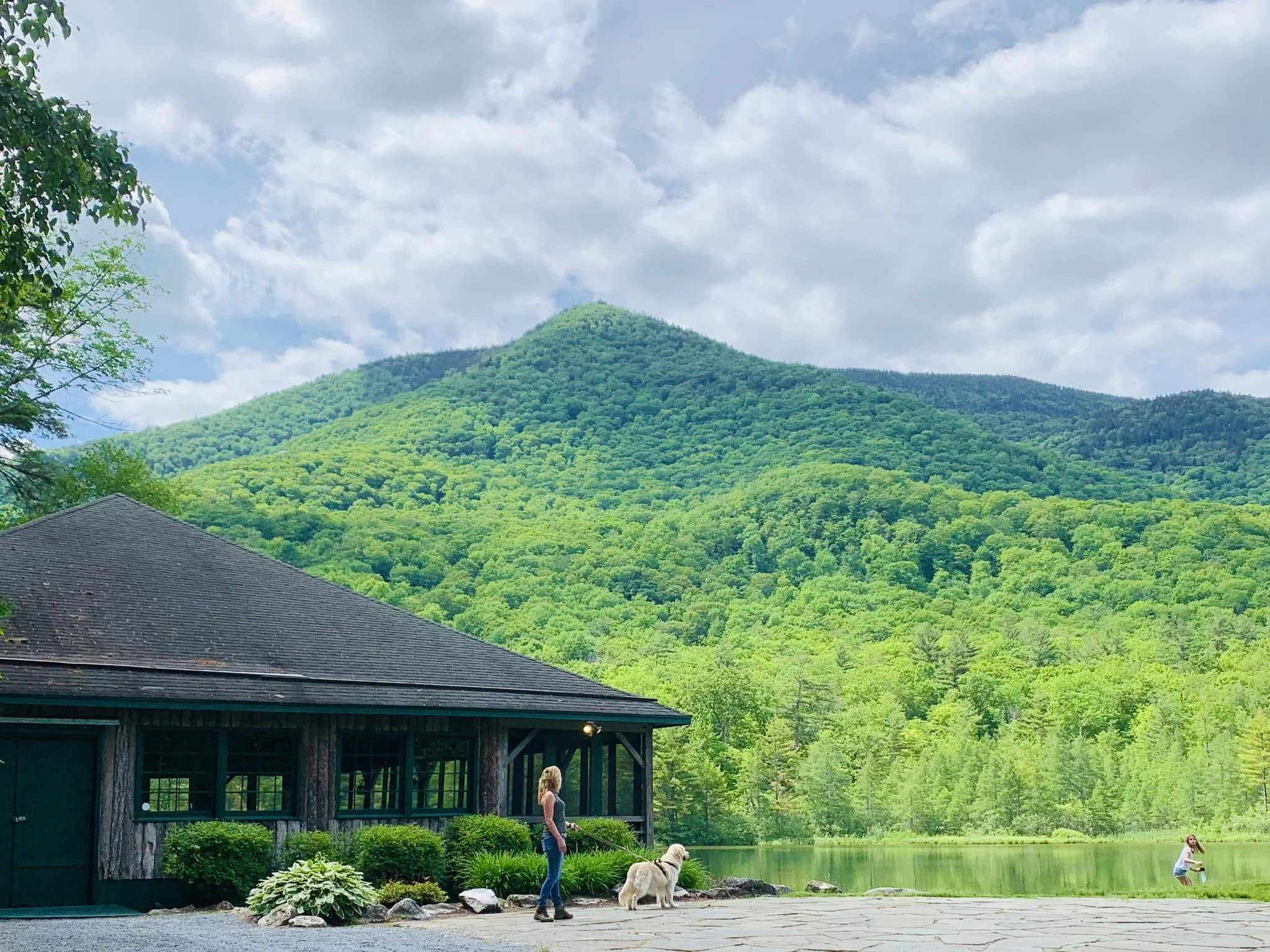
“The Social Bark was born on the trail, hiking New England backroads with my dog, where clear thinking comes easily and honest writing takes shape. Nature has a way of stripping things down to what matters, and that’s the approach behind every word I write.”
— Laurie Barrett, Founder
I am a writer guided by instinct and judgment, drawn to ideas that deserve careful language and thoughtful expression. Through The Social Bark, I work with individuals and small businesses to clarify their voice and articulate what sets them apart.
The belief is simple: your message deserves more than noise. It deserves presence - writing that feels real, resonates deeply, and earns trust .
The Work.
Long Form Editorials & Articles
Opinion and thought-leadership pieces
Industry commentary
Executive bylines and essays
Content Creation & Strategy
Content architecture & thought-leadership distribution strategy
Message consistency across channels
Narrative & Brand Writing
Founder & Leadership Storytelling.
Positioning language & messaging frameworks
Origin & evolution pieces; mission articulation
Social Media & Digital Content
Narrative-led social content
Executive voice development
Long-form ideas translated into social formats
Email, Digital & Recruitment Marketing
Web Pages / Fact Sheets
SOP’s
Reference Guides
White Papers
Onboarding Documentation & Guides
Policies and Procedures
Legal Briefs & Editing
Instructional & Training Documentation
Website Design and Development (Squarespace)
Work in the Spotlight.
Working with a national outdoor company, The Social Bark helped shape a clearer editorial voice on LinkedIn. Over time, that shift led to meaningful growth - tripling followers and increasing post reach by more than 200 percent.
More important than the numbers was the change in response: passive readers became engaged advocates.
That’s the power of a distinctive voice.